Bring people together.
The Yarraville Festival began in 1981 as a local street fair created by traders and residents who wanted to bring their community together. It was a simple idea — take the streets of Yarraville, fill them with people, music, food, creativity and entertainment, and celebrate the community that lives around them.
More than four decades later, the streets are considerably busier. Today, the Yarraville Festival is one of Melbourne’s established community festivals, attracting tens of thousands of people into Yarraville Village for a free celebration of the people, cultures, businesses and creativity of Melbourne’s Inner West.
And despite everything that has changed since 1981, the basic idea hasn’t. Bring people together.
What happens when they get here.
What started as a neighbourhood street fair has grown alongside Yarraville. Over the decades, the Festival has expanded across the Village, filling streets, parks and public spaces with live music, performers, market stalls, food, community organisations, local businesses, children’s entertainment, carnival rides and cultural celebrations.
But the number we care about most isn’t how many people walk through the Festival. It’s what happens when they get here.
- Neighbours meet
- Local businesses meet new customers
- Community organisations find new supporters
- Artists find audiences
- Kids discover performers
- Musicians get stages
- Cultures are shared
- People discover the Village for the first time
And occasionally, several thousand people stop what they’re doing to watch a dog wearing something completely ridiculous. That’s the Yarraville Festival.
It takes months to build. It lasts a weekend.
The Yarraville Festival isn’t delivered by a commercial festival company that arrives for the weekend and disappears again. It is run by a volunteer committee.
Throughout the year, volunteers work behind the scenes on entertainment, infrastructure, permits, safety, logistics, technology, marketing, photography, traders, stallholders, sponsorship, accessibility and the hundreds of details required to turn ordinary streets into a Festival. Then hundreds of performers, businesses, stallholders, community organisations, sponsors and volunteers become part of it.
And then we start thinking about doing it all again.
The Festival belongs to the community because the community builds it.
The Festival should be too.
The Yarraville of today is very different from the Yarraville of 1981. Melbourne’s West has grown into one of Australia’s most culturally diverse communities, and the Festival has evolved to reflect the people who now call it home.
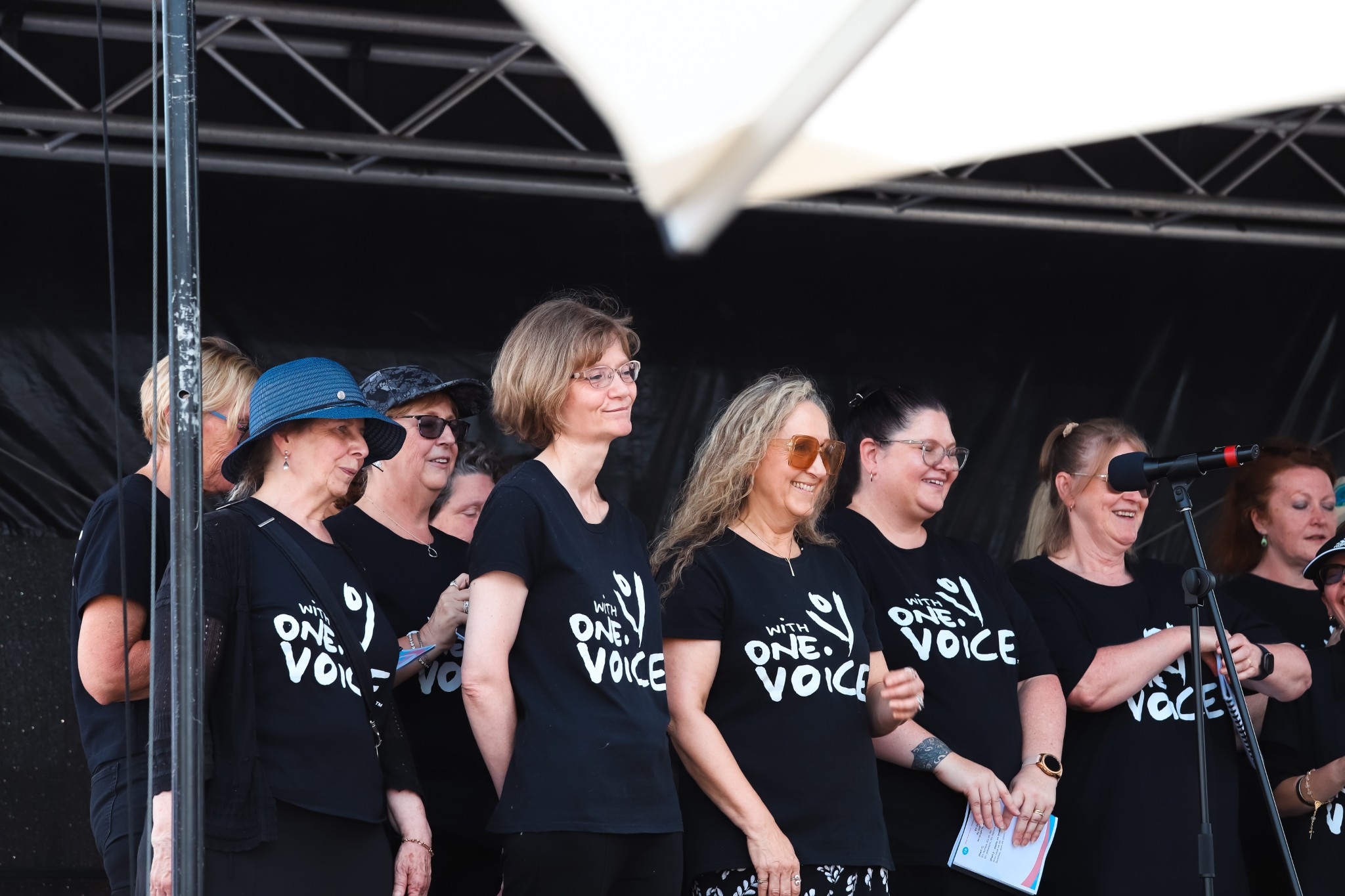
Multiple stages now showcase professional, emerging and community performers. Cultural precincts bring food, dance, music and traditions into the Festival. Independent makers and artisans trade alongside established Yarraville businesses. Community groups are given space to tell people what they do. Families have dedicated activities and facilities.
Accessibility has become part of how we design the event, including quiet sensory spaces and facilities for parents and young children.
And somehow, through all of that change, the Dog Parade has become one of our most famous traditions. Some things shouldn’t be modernised too much.
From a street fair to a festival weekend.
It begins.
A community street fair brings residents and traders together in Yarraville.
Yarraville changes.
The Village develops, local businesses grow and the Festival grows with them.
Have photos of the Festival from this era? We’d love to include them — get in touch.
A Festival takes over the Village.
The event develops into a major annual celebration, with multiple stages, markets, entertainment and increasingly large crowds.
Melbourne discovers Yarraville.
The Festival attracts visitors from across Melbourne while remaining firmly rooted in the Inner West.
Nearly 28,000 people.
Almost 28,000 people attend the Festival, demonstrating how far the original community street fair has grown.
We adapt.
COVID changes almost everything. The Festival returns with a different footprint and safety requirements, centred around the Railway Goods Yard. It isn’t the Festival everyone remembers. But it happens. For a community event built around bringing people together, that matters.
More than 30,000.
Reported attendance passes 30,000 as the Festival once again fills Yarraville with music, food, markets, culture and people.
The Festival stays up late.
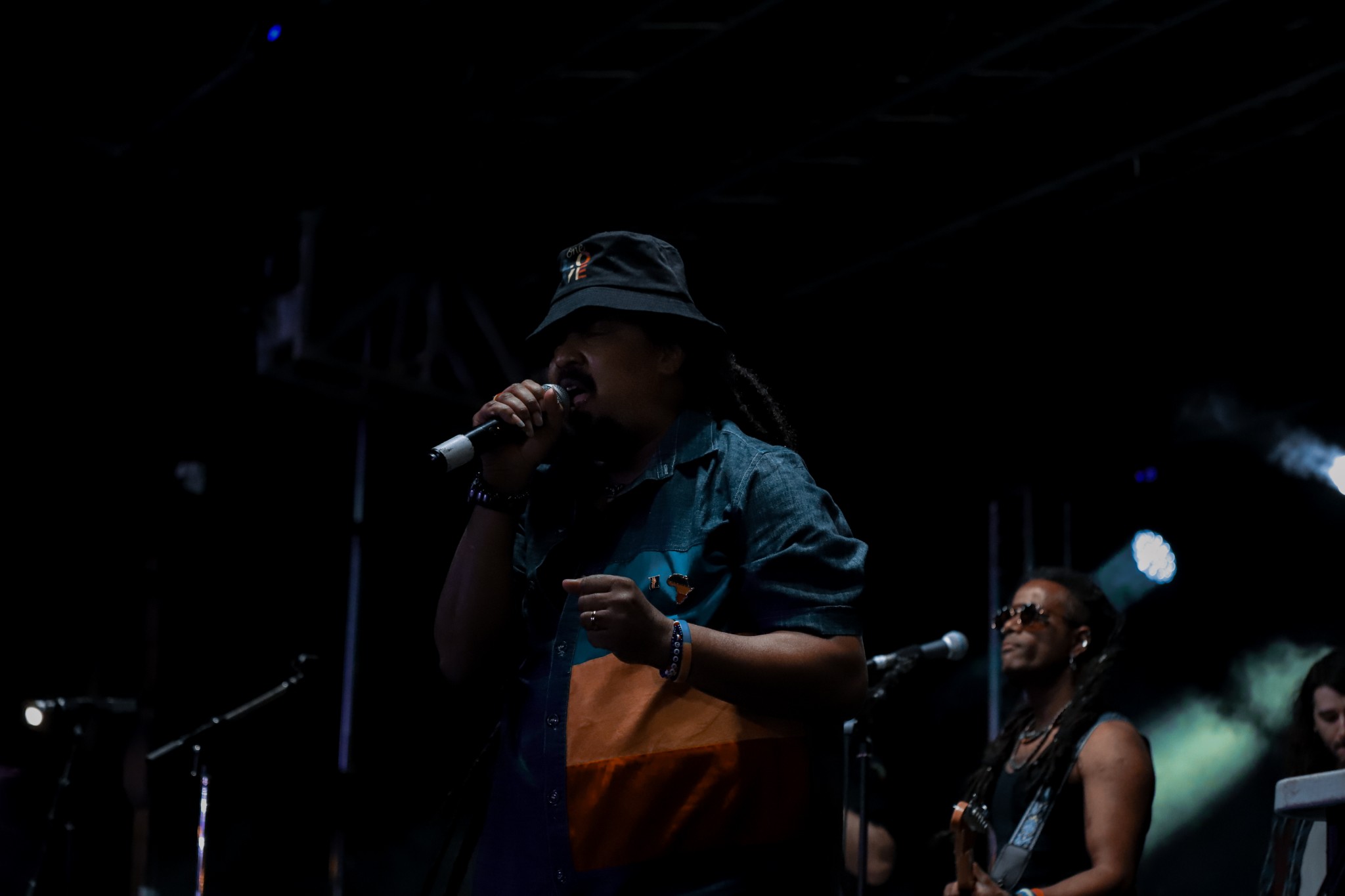
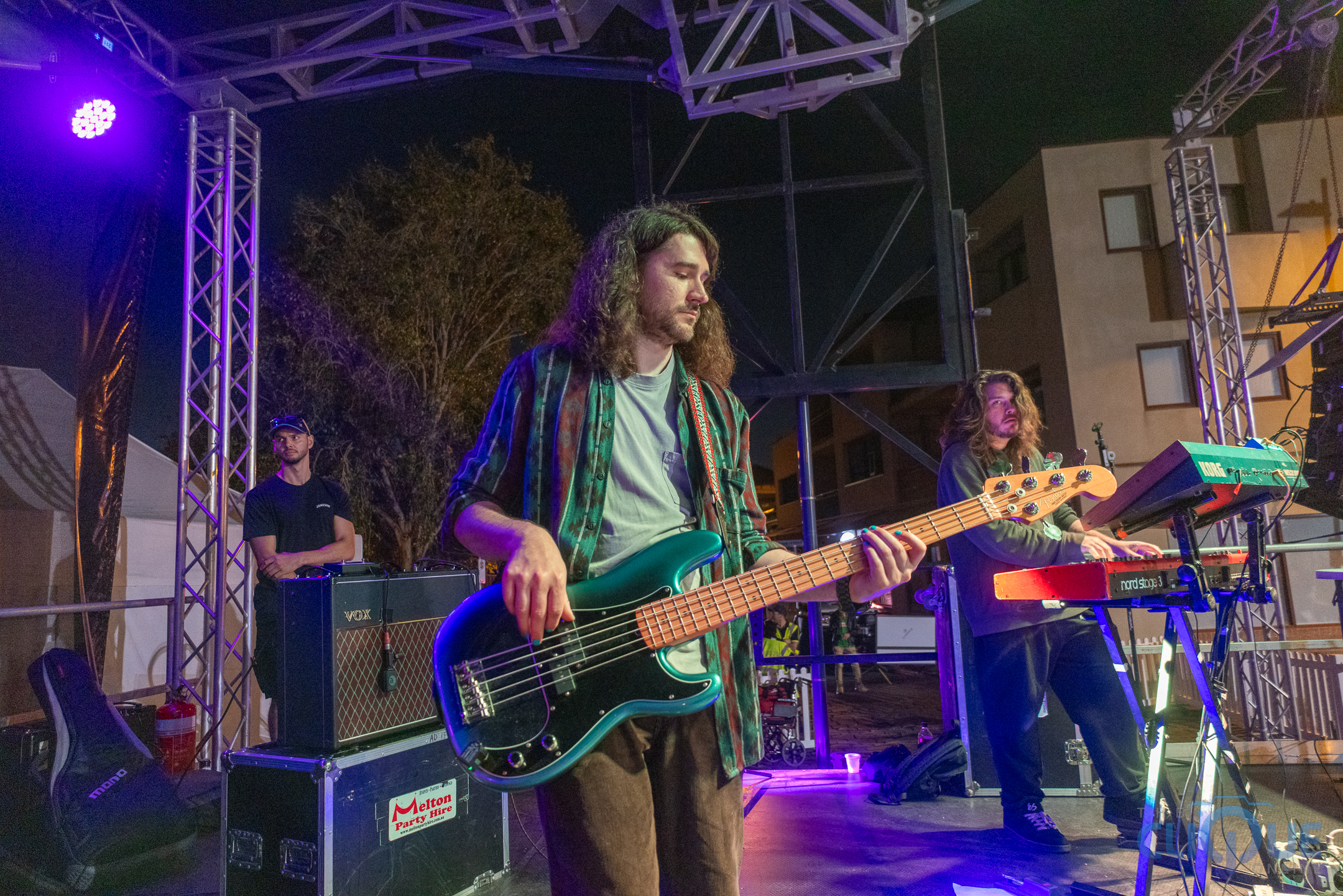
For the first time, the Festival experience expands significantly into Saturday night. Live music transforms the evening before the traditional Sunday Festival and introduces a different way to experience Yarraville. An idea begins to take shape — Yarraville By Night.
The next chapter.
Yarraville By Night develops into its own dedicated live music event on Saturday, followed by the traditional Yarraville Festival on Sunday. One weekend. Two personalities. One community.
Because that’s the point.
It becomes somewhere we meet.
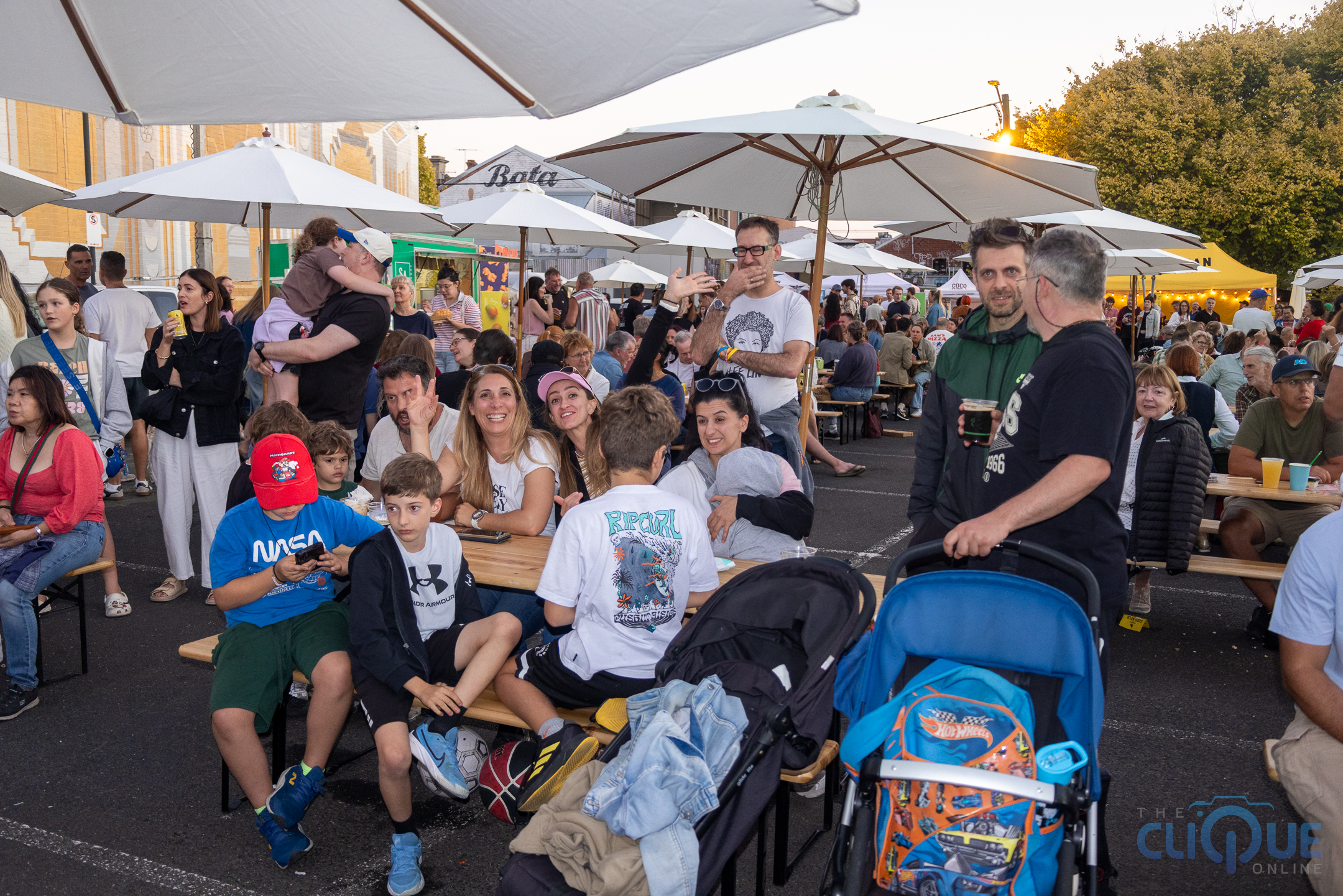
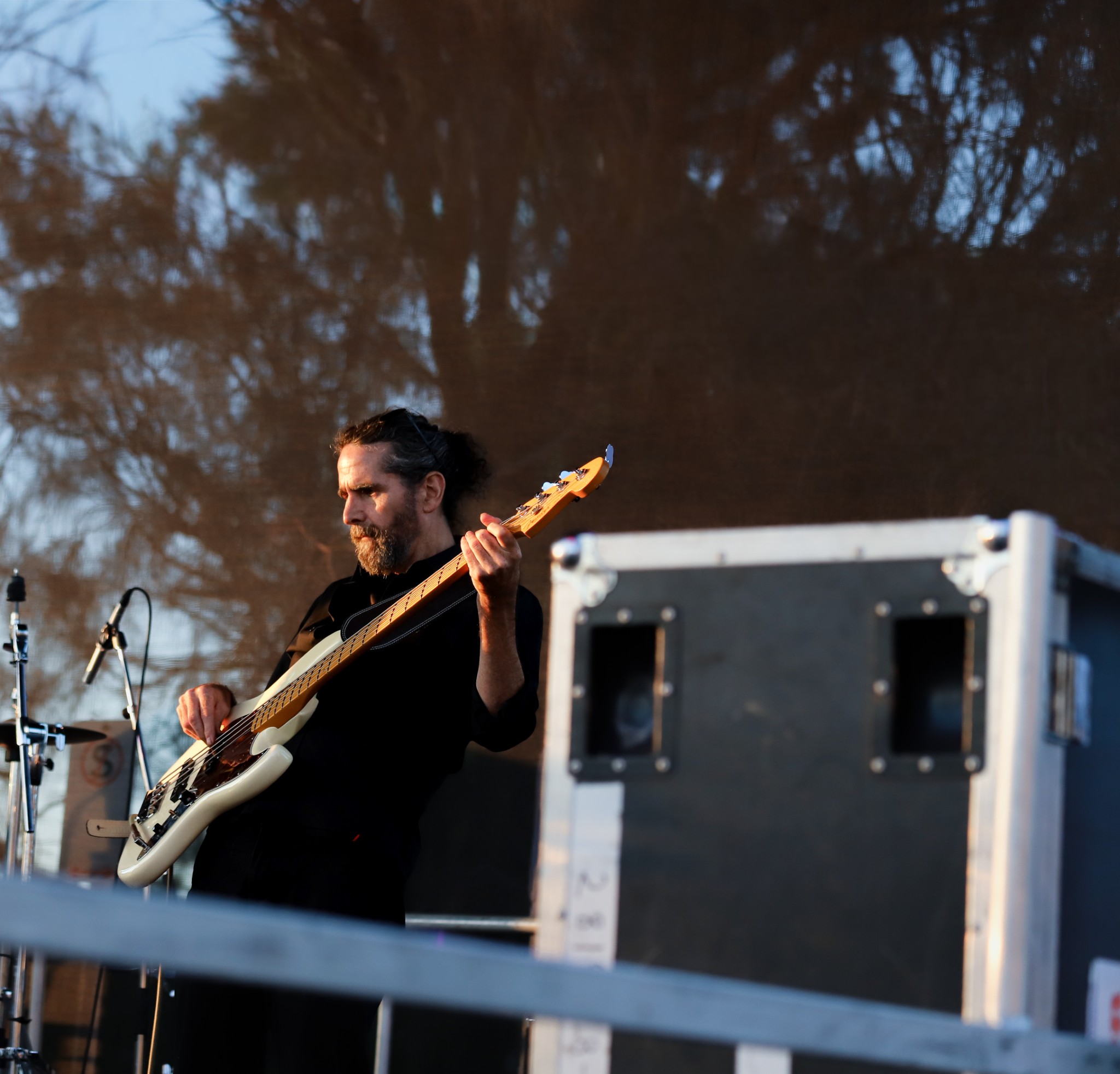
There is live music. There is dance. There are makers and markets. There is food from around the world. There are local businesses and community organisations. There are carnival rides and children’s activities. There are cultural performances. There are thousands of people wandering through one of Melbourne’s most recognisable village precincts. And yes — there are dogs. Lots of dogs.
For one weekend, Yarraville Village stops being somewhere people simply pass through. It becomes somewhere we meet.
Better, not just bigger.
We don’t want the Yarraville Festival to become bigger simply for the sake of becoming bigger. We want it to become better. More accessible. More inclusive. More representative of Melbourne’s West. More opportunities for local and emerging performers and community organisations. More reasons to support local businesses. More ways for people to participate rather than simply attend.
And increasingly, more than one day.
The arrival of Yarraville By Night opens the next chapter. Saturday night can celebrate live music, food and Yarraville after dark. Sunday remains the Festival generations of families have grown up with — community, culture, markets, music, kids, food and the famous Dog Parade.
Yarraville By Night
Yarraville Festival
The Festival can continue evolving without forgetting where it came from. Because the future of Yarraville Festival isn’t about replacing its past.
It’s about giving the next generation their own memories of it.
Different streets.
Different music.
Different food.
Different generations.
The same idea.
Bring people together.
Made by the community. Since 1981.